A sewage backup is one of the worst things that can happen in your home. It’s gross, it stinks, and it puts your family’s health at risk. If you’re in Prineville facing sewage cleanup for the first time, you don’t have to deal with it alone. Our team at Central Oregon Disaster Restoration has handled sewage damage across Crook County and Central Oregon for close to 20 years.
This guide covers what causes backups, what to do first, the health risks, and how the professional cleanup process works.
What Causes Sewage Backups in Prineville Homes?
Sewage backups happen when waste can’t flow out through your sewer line. Tree roots are a big cause. Older parts of Prineville have large trees whose roots grow toward moisture, and your sewer pipe is a prime target. Roots push into pipe joints over time and create blockages.
Old pipes are another big cause. Many homes in this area were built decades ago with clay or cast iron sewer lines. These pipes crack and break down over the years. Heavy rain can also flood local systems, forcing waste back through your floor drains and toilets.
Grease buildup, flushing items that don’t break down, and pump failures round out the list.
What Should You Do Right After a Sewage Backup?
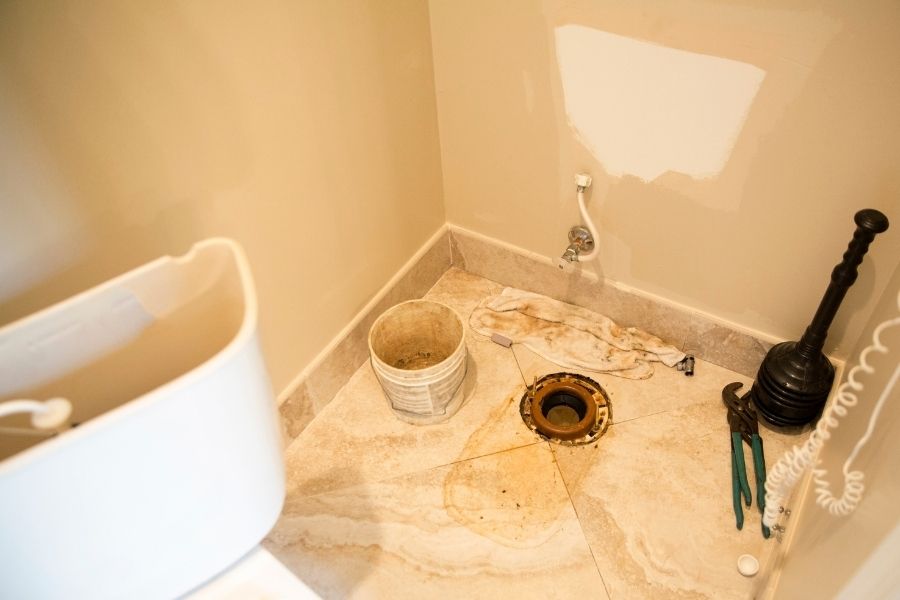
The first hour matters more than you think. Sewage is “black water,” the worst category under IICRC restoration standards. It carries bacteria, viruses, and parasites. Fast action limits both the damage and the health risk.
Do This Right Away
- Get everyone out of the affected area, especially kids, elderly family members, and pets.
- Cut the power to impacted rooms if you can reach the breaker safely without stepping in water.
- Open windows for ventilation, but keep the HVAC off. It can spread contaminants through ductwork.
- Call a restoration company. This is not a DIY job.
- Take photos and video for your insurance claim before anything gets moved.
Avoid These Mistakes
- Don’t walk through sewage water without protective gear.
- Don’t run fans. You’ll blow contaminated particles around the house.
- Don’t try to save carpet, mattresses, or upholstered furniture that got soaked. They can’t be safely cleaned.
Our guide on handling sewage backups safely covers these emergency steps in more detail.
Dealing with Sewage Damage in Prineville?
Central Oregon Disaster Restoration responds 24/7 with an average 60-minute arrival. We handle everything from emergency extraction to full rebuild.
What Are the Health Risks of Sewage in Your Home?
Sewage isn’t just dirty water. It’s full of E. coli, Salmonella, and parasites like Giardia. The CDC warns that touching or breathing in sewage water can cause stomach illness, skin rashes, and lung problems.
These organisms thrive in warm, wet spaces. The longer sewage sits, the worse it gets.
Sewage Contamination Timeline
| Time After Backup | What’s Happening | Risk Level |
|---|---|---|
| 0 to 1 hour | Bacteria spreading across surfaces | High |
| 1 to 24 hours | Moisture soaking into drywall, subfloor, insulation | Very High |
| 24 to 48 hours | Mold growth starting on wet materials | Severe |
| 48+ hours | Structural damage, mold colonies, airborne hazard | Critical |
Kids, older adults, and anyone with a weak immune system are most at risk. But even healthy adults can get sick from the air in a sewage-soaked home. Pro cleanup isn’t a nice-to-have. It’s a safety must.
How Does Professional Sewage Cleanup Actually Work?
Professional water damage restoration for sewage follows a set process. The goal is to protect your health and save as much of the property as we can. Here’s what our team does for sewage damage in the Prineville area.
Assessment and Containment
Technicians arrive in full PPE and map the contamination. They set up barriers to keep affected zones isolated and start HEPA air scrubbers right away.
Water Extraction
Industrial pumps and truck-mounted units pull out all standing water. A shop vac won’t cut it here.
Removal of Contaminated Materials
Anything porous that soaked up sewage gets pulled out: carpet, pad, lower drywall (cut 12 to 24 inches above the water line), and wet insulation. There’s no safe way to clean these materials.
Sanitizing and Drying
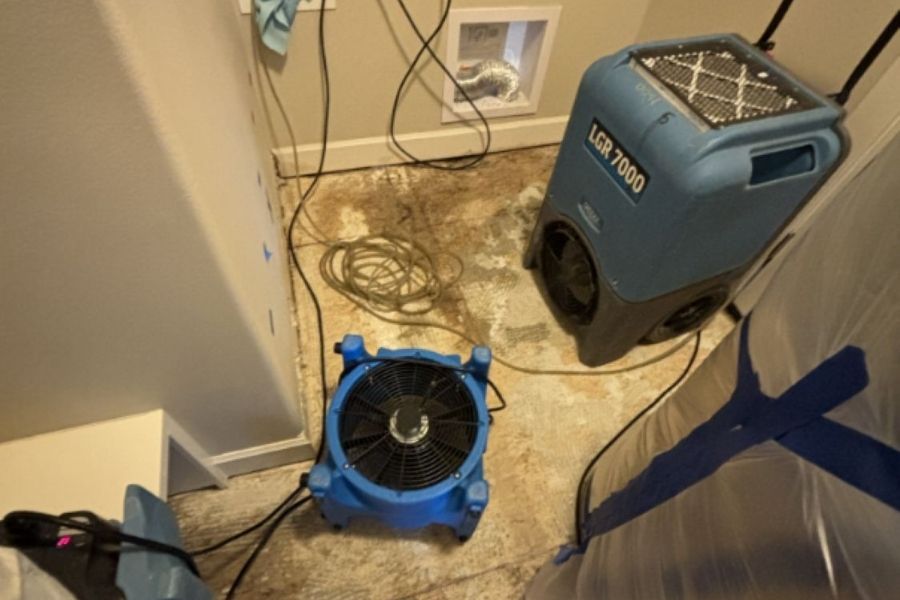
Every surface that stays gets cleaned with germ-killing agents. Then big dehumidifiers and air movers dry the space back to safe moisture levels. Our crew checks those levels with meters to make sure nothing got missed.
This drying phase can take days, and it’s key for stopping mold. In fact, sewage damage is one of the top reasons homes need mold removal in Prineville. Our post on how fast water damage leads to mold growth breaks down why timing matters.
Rebuild and Restoration
New drywall, flooring, and trim go in once the space is clean, dry, and safe. Central Oregon Disaster Restoration handles both mitigation and rebuild in-house, so you work with one team from day one instead of juggling contractors.
When Should You Call for Professional Sewage Restoration?
Right away. If there’s standing water, if carpet or drywall got wet, or if the mess covers more than a small patch, you need professional flood damage cleanup. Black water is a health threat. Leaving any of it behind leads to mold later.
Your insurer will want proof of the damage too. Pro restoration teams take photos at each step and create the reports your adjuster needs to move the claim along.
We serve homeowners across Prineville, Redmond, Bend, Madras, Sisters, and the surrounding Central Oregon communities. Sewage emergencies don’t wait for business hours, and neither do we. If a toilet overflow has you wondering whether you need professional help, check out our guide on what to do after your toilet floods.
Sewage Backup? We’re On It.
Central Oregon Disaster Restoration provides 24/7 sewage cleanup across Prineville, Bend, Redmond, and all of Central Oregon. One call. One team. Start to finish.
Frequently Asked Questions
Can I clean up a sewage backup myself?
For anything beyond a small toilet spill on a hard floor, no. Sewage is black water full of harmful germs. Cleanup crews use heavy-duty pumps, germ-killing treatments, and drying gear that home tools can’t match. A DIY attempt risks missed germs and mold later on.
Does homeowner’s insurance cover sewage backup damage?
It depends on your policy. Many basic plans don’t cover sewer backups on their own, but you can often add it. If the backup came from a covered event like a burst pipe, your water damage clause may kick in. Call your insurer right away and take photos of everything before cleanup starts.
How long does professional sewage cleanup take?
Most residential projects take 3 to 7 days. Extraction and demolition usually wrap up within day one. Drying runs 3 to 5 days. Rebuilding adds time based on how much structural work is needed.
Will my home still smell after sewage cleanup?
Not if the job is done right. Good cleanup means germ treatment on all surfaces, removal of soaked materials, and full drying of the structure. A bad smell after the fact usually means something got missed. A proper job should leave no odor at all.