
Jump To:
Summer in Central Oregon is gorgeous, but it’s not all sunshine and paddleboard weather. Wind gusts, hail, and sudden downpours roll through Bend, Redmond, and Sisters every year, and they can do real damage before you’ve even finished your morning coffee. At Central Oregon Disaster Restoration, we’ve helped homeowners across the region bounce back from storm damage for nearly two decades. A little preparation goes a long way.
What Kind of Storm Damage Hits Central Oregon in Summer?
Central Oregon doesn’t deal with hurricanes or tornadoes, but summer storms here pack their own punch. High winds and hail are the most common threats, followed by localized flooding during heavy rain. These storms hit fast, especially in the high desert where weather shifts quickly.
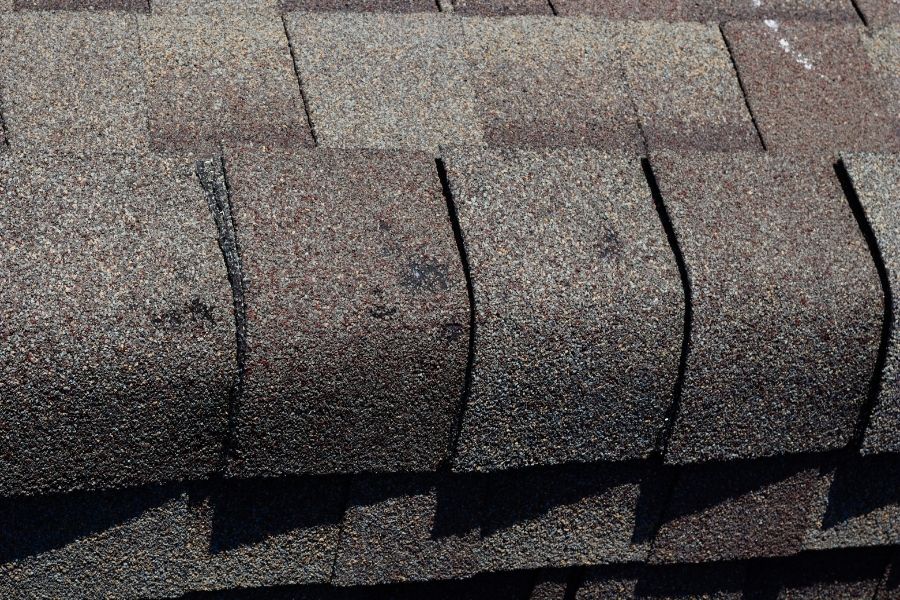
Wind gusts regularly top 50 mph, strong enough to rip shingles, snap tree limbs, and send patio furniture flying. Hail causes cumulative damage to roofing, siding, and windows over time. And when heavy rain meets dry, compacted soil, water doesn’t absorb. It pools around foundations, in window wells, and through gaps in your home’s exterior, leading to flood damage.
Pre-Storm Roof Inspection Checklist
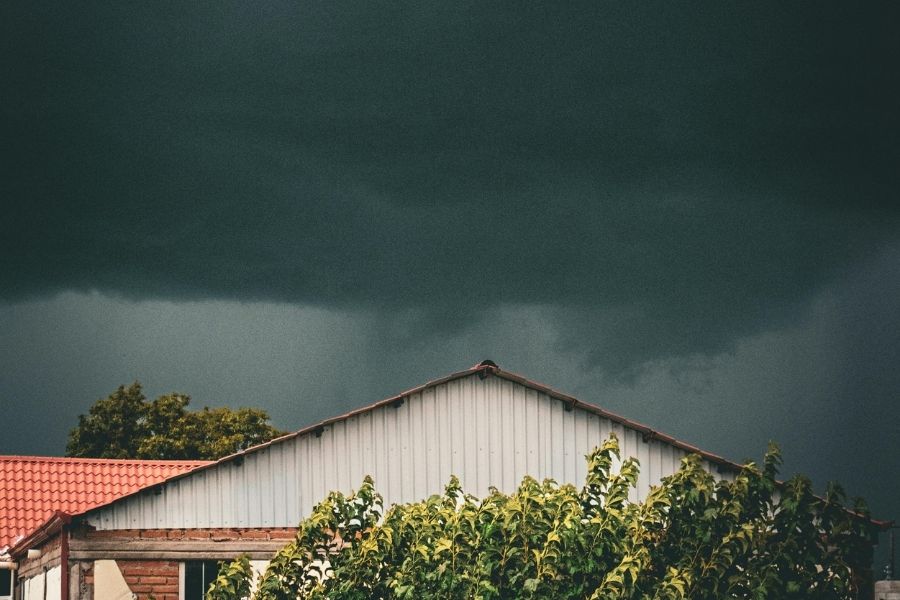
Your roof is your home’s first line of defense against wind and hail. A quick seasonal inspection can save thousands in repairs. You don’t need to climb up there yourself, either. Binoculars and a walk around the perimeter will catch most issues.
What to Look For
- Missing or curled shingles: Even one missing shingle creates an entry point for wind-driven rain.
- Cracked or deteriorating flashing: Check around chimneys, vents, and skylights where metal flashing meets the roofline.
- Clogged gutters and downspouts: Pine needles are everywhere in Central Oregon. Blocked gutters force water under your roof edge and into your fascia.
- Sagging areas or visible wear: Low spots on your roof collect water and accelerate deterioration.
- Tree limbs within 10 feet of your roof: Trim them back. A 50 mph gust turns a branch into a battering ram.
According to the Insurance Institute for Business & Home Safety (IBHS), proper roof maintenance is one of the single most effective steps homeowners can take to reduce storm damage risk.
Already dealing with storm damage?
We respond 24/7 with an average on-site arrival of 60 minutes across Bend, Redmond, Sunriver, and surrounding areas.
How to Seal Windows and Doors Before a Storm
Windows and doors are the second most common entry point for storm-related water intrusion, right behind roofs. Sealing them properly before storm season starts is a simple weekend project that pays for itself fast.
Sealing Checklist
- Inspect weatherstripping around all exterior doors. Replace anything that’s cracked, flattened, or peeling away.
- Check caulking around window frames, both inside and out. Old caulk shrinks and cracks, especially in Central Oregon’s dry climate.
- Test your door thresholds. If you can see daylight under a closed door, wind-driven rain will find its way in.
- Look at sliding glass doors. The tracks collect debris and the seals wear down. Clean the tracks and replace worn rollers or seals.
Homes in Prineville, La Pine, and Madras are especially prone to weatherstripping failures because of the wide temperature swings between summer days and cool nights. That constant expansion and contraction breaks down seals faster than you’d expect.

Storm Prep Priority Guide
| Task | When | Why It Matters |
|---|---|---|
| Roof inspection | Early June | Catches damage from winter before storm season begins |
| Gutter cleaning | Late May and mid-July | Prevents overflow and fascia water damage |
| Window and door seals | Early June | Blocks wind-driven rain intrusion |
| Tree trimming | Before July storms | Reduces branch impact and roof damage risk |
| Yard drainage check | Ongoing through summer | Keeps water flowing away from foundation |
What to Do Immediately After a Hail or Wind Event
The storm just passed. Those first few hours matter more than most people realize. Fast action limits damage, protects your belongings, and strengthens your insurance claim.
- Stay safe first. Don’t go outside until the storm has fully passed. Watch for downed power lines and unstable branches.
- Document everything. Take photos and video of all visible damage before you touch anything. Your insurance adjuster will need this.
- Cover exposed areas. If a window broke or shingles came off, use tarps or plywood to prevent further water intrusion.
- Check for water inside. Look at ceilings, walls near windows, and around door frames for moisture. Water damage escalates fast. Our guide on acting fast in water emergencies covers the critical first steps.
- Call your insurance company. Report damage promptly and keep records. If you’re unsure how coverage works, we’ve outlined how homeowners insurance handles water damage in Oregon.
For more on preparing for and recovering from severe weather, the Ready.gov severe weather guide is an excellent resource.
When Should You Call a Restoration Professional?
Not every storm requires professional help. A few blown branches in the yard? You’ve got that. But certain situations need trained crews with the right equipment.
Call a professional when:
- Water has entered your home through the roof, windows, or foundation
- You notice wet drywall, bubbling paint, or musty smells
- Standing water is pooling in or around your property
- Structural damage is visible, like a sagging roofline or cracked siding
Our team handles water damage restoration from start to finish, including emergency extraction, structural drying, and full in-house rebuilds. We’re IICRC-certified in water damage restoration, a licensed Oregon contractor, and we’ve been serving Bend and Central Oregon since 2006. We work directly with insurance companies so you’re not navigating the claims process alone.
And if you want a deeper look at what the restoration process involves, check out our walkthrough of what water damage restoration actually looks like in Bend.
Frequently Asked Questions About Summer Storm Damage
How quickly should I act after a summer storm damages my home in Central Oregon?
As quickly as possible. Water intrusion from storm damage can lead to mold growth within 24 to 48 hours. Documenting damage right away also strengthens your insurance claim.
Does homeowners insurance cover summer storm damage in Oregon?
Most standard homeowners policies cover sudden storm damage from wind, hail, and rain. Flood damage from rising water typically requires a separate policy. Contact your insurer promptly after any storm event.
What’s the most common type of summer storm damage in Bend and Central Oregon?
Wind and hail. High winds strip shingles, break branches, and drive rain into gaps around windows and doors. Hail causes cumulative damage to roofing and siding that may not be immediately obvious.
Can I inspect my own roof for storm damage, or do I need a professional?
You can do a basic visual inspection from the ground using binoculars. Look for missing shingles, damaged flashing, and gutter debris. For a thorough assessment after a major storm, a professional can spot damage that isn’t visible from ground level.