Jump To:
Common Storm Damage · What to Do First · Roof and Hail Damage · Water Intrusion · Insurance Claims · FAQs
A strong storm rolls through Bend and suddenly shingles are in the yard, a window has a crack, and water is dripping from the ceiling. Wind and hail damage cleanup needs to happen fast to protect your home and your insurance claim. Central Oregon Disaster Restoration has helped homeowners across the region recover from storm events since 2006. We’ve seen how quickly things get worse when cleanup is delayed.
Wind and hail are the top storm damage types in Central Oregon. We don’t get hurricanes or tornadoes, but a strong spring or summer storm can wreck roofing, siding, and windows. This guide covers what to do after a storm, how to spot hidden damage, and when to call professionals.
What Types of Storm Damage Are Most Common Here?
High winds rip shingles off roofs, snap branches onto structures, and push rain through gaps in siding. Hail, even small stuff, dents metal roofing and bruises asphalt shingles in ways that cut their lifespan.
| Damage Type | Causes | Signs |
|---|---|---|
| Roof Damage | Wind, hail, falling debris | Missing shingles, granule loss, dented flashing |
| Broken Windows | Branches, large hail | Cracks, shattered panes |
| Water Intrusion | Rain through compromised roof or siding | Wet ceilings, damp walls, musty smell |
| Siding Damage | Wind, hail impact | Cracks, loose or warped panels |
| Flooding | Heavy rain, drainage overwhelm | Standing water near foundation, crawl space moisture |
Some damage doesn’t show up right away. A hail-bruised shingle might look fine from the ground but is already failing. Months later, you’ve got a leak and water in your walls.
What Should You Do First After a Storm?
Safety first. Make sure downed power lines and unstable trees aren’t putting you at risk. Once it’s safe, follow this order to protect your property and your claim.
Post-Storm Checklist
- Document everything. Take photos and video of all visible damage before you touch anything.
- Prevent further damage. Cover broken windows with plywood or plastic. Tarp damaged roof sections if you can do it safely.
- Check for water entry. Look at ceilings, window frames, and your crawl space.
- Call your insurance company. Report damage right away. Most policies require prompt notification.
- Contact a restoration company. Don’t wait for the adjuster before starting mitigation. Stopping further damage is your responsibility.
Storm damage won’t wait, and neither should you.
We respond 24/7 across Bend and Central Oregon with a 60-minute on-site target.
How Do You Spot Roof and Hail Damage?
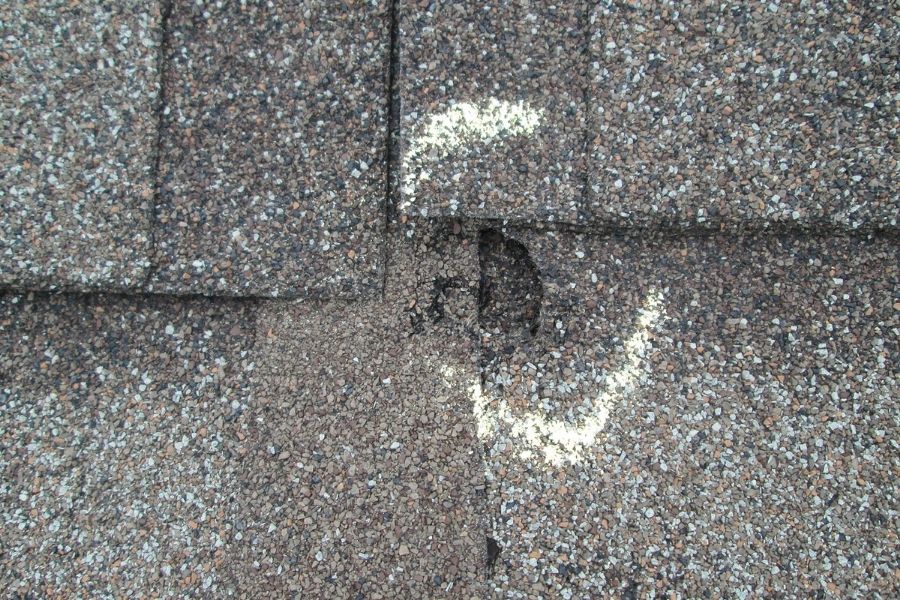
Hail damage on a roof is sneaky. From the ground, things might look fine. Up close, those impacts knock granules loose and leave soft spots. The Insurance Institute for Business and Home Safety notes that even minor hail can cut a roof’s lifespan if left alone.
Here’s what to look for on common roofing materials:
- Asphalt shingles: Dark spots where granules are gone, soft areas, exposed black substrate
- Metal roofing: Dents that crack paint coatings and invite rust
- Skylights and vents: Hairline cracks, dented collars, broken seals
Wind damage is easier to see. Missing shingles and lifted edges are obvious. But wind also loosens flashing around chimneys and vents, creating water entry points that won’t show up until the next rain.
A professional roof inspection after any big storm in Redmond, Madras, Prineville, or anywhere across Deschutes and Jefferson counties is worth every penny. Catching problems early saves thousands down the road.
How Does Water Get Inside After a Storm?
Once your roof, siding, or windows are compromised, water has a way in. That’s when a wind event turns into a water damage situation. Rain driven sideways by high winds pushes moisture through gaps that stay dry in normal weather.
Common entry points include cracked caulking around windows, missing shingles, gaps in siding, and bad flashing around chimneys and roof valleys.
Crawl spaces take hits too. Most Central Oregon homes have crawl spaces, and heavy rain plus poor drainage pushes water underneath the house. If you notice a musty smell or standing water under your home, act fast. We wrote about how crawl space moisture becomes a big problem in this area, and the same applies after storms.
How Fast Does Storm Water Damage Spread?
- Minutes: Water soaks carpet, drywall, and insulation
- Hours: Drywall swells and warps
- 24 to 48 hours: Mold growth can start
- 1 week+: Structural wood weakens
That’s why acting in the first hour matters. The faster you control moisture, the less you deal with later.
What Should You Know About Storm Damage Insurance Claims?
Most homeowners policies cover wind and hail damage. But the process feels overwhelming when your home is damaged. A few things to keep in mind.
Take extensive photos before any cleanup begins. Keep receipts for emergency repairs. Your policy typically covers reasonable costs to prevent further damage, but you need documentation.

Our team works directly with insurance companies using Xactimate, the industry-standard estimating software that adjusters use themselves. That means our estimates match the format your insurer expects, which cuts down on delays. We covered more about how insurance handles damage claims in Oregon on our blog.
You don’t need to wait for the adjuster before starting mitigation. Most policies actually require you to take reasonable steps to prevent further damage. Contact our team, and we’ll get started while you coordinate with your insurer.
Why Does Speed Matter?
Every hour that water sits in your walls or crawl space, the damage grows. Materials that could have been dried and saved start needing full replacement. A straightforward cleanup turns into a much bigger project.
Your insurance company expects prompt mitigation too. Wait too long, and your claim could be reduced because the extra damage was preventable. That’s how policies work.
Central Oregon Disaster Restoration responds 24/7 with a 60-minute on-site target across Bend, Redmond, Sisters, Sunriver, La Pine, and surrounding areas. We handle everything from emergency tarping to flood damage cleanup, water extraction, and structural drying with in-house crews. No subcontractors.
If a storm just came through and you’re unsure whether the damage warrants a call, go ahead and call. Catching damage early saves thousands.
Frequently Asked Questions
How long do I have to file a storm damage insurance claim in Oregon?
Most Oregon policies require prompt reporting, with specific deadlines ranging from 60 days to one year depending on the carrier. The sooner you file, the smoother things go. Delayed claims face more scrutiny.
Can small hail really damage my roof?
Yes. Hailstones as small as one inch can bruise shingles, crack skylights, and dent flashing. The damage often isn’t visible from the ground, which is why a professional inspection after a hail event is smart. Granule loss shortens a roof’s lifespan even without immediate leaks.
Should I tarp my roof myself or wait for help?
If you can safely reach the damaged area, a temporary tarp prevents more water intrusion. But storm-damaged roofs are risky to walk on. If the damage is extensive or the roof is steep, call a professional. Our team provides emergency tarping as part of our 24/7 response.
What’s the difference between storm mitigation and restoration?
Mitigation is the immediate work to stop damage from spreading, like tarping, water extraction, and board-ups. Restoration is the rebuild phase where damaged materials get replaced and the property returns to its pre-storm condition. Both are typically covered under homeowners insurance.