Jump To:
When a wildfire sweeps through Central Oregon, most homeowners zero in on the obvious: charred walls, melted siding, scorched landscaping. Makes sense. But after nearly two decades of fire damage restoration work across the region, we can tell you that some of the worst structural damage is the kind you can’t see from the driveway. Heat, smoke, and ember exposure can quietly compromise roofing, framing, windows, and exterior finishes without leaving a single burn mark.
Our team at Central Oregon Disaster Restoration has assessed fire-affected homes throughout Bend, Redmond, Sisters, and broader Deschutes County since 2006. We’ve watched homeowners get the all-clear from a quick visual check, only to discover serious issues weeks later. Here’s what to actually look for.
What Wildfire Heat Actually Does to Your Home’s Structure
Wildfire heat doesn’t need to produce visible flames to do real damage. Radiant heat from a nearby fire can exceed 1,000 degrees Fahrenheit, and that energy transfers to your home’s exterior even if the fire never physically touches it. According to the Insurance Institute for Business and Home Safety (IBHS), radiant heat is one of the primary ways wildfires damage homes, sometimes from hundreds of feet away.
In practical terms? Materials expand, contract, and weaken. Adhesives fail. Composite materials separate. Metal fasteners warp. None of this shows up in photos, but it absolutely shows up during the next Central Oregon windstorm or freeze cycle.
The Hidden Damage Checklist: What Most Homeowners Miss
After years of wildfire seasons in Central Oregon, our technicians have assembled a list of the structural issues homeowners overlook most often. Some won’t appear for weeks. Others need specific tools to identify.
Roof and Attic Damage
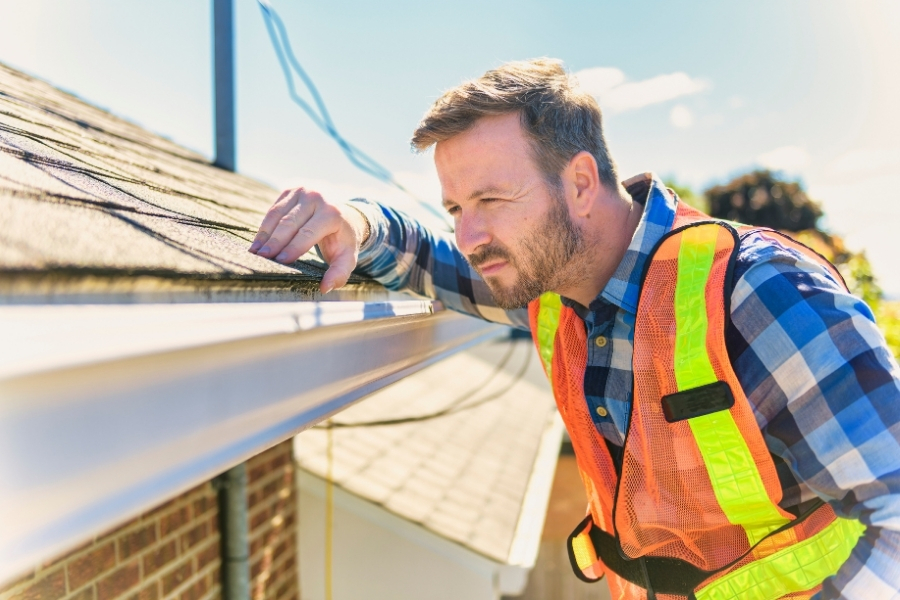
Your roof takes the brunt of radiant heat, and it’s the last place most people check closely. Asphalt shingles can blister, curl, or shed their granular coating from heat alone. The underlayment can melt or degrade, leaving your roof vulnerable to leaks once Central Oregon’s rain and snow seasons arrive.
Look for: granule loss in gutters, curled or bubbled shingles, and discoloration on decking boards visible from the attic.
Structural Framing
This is the big one. Intense radiant heat weakens structural lumber without charring it. Wood framing members lose load-bearing strength at high temperatures, and the damage isn’t visible. Metal connectors like joist hangers and truss plates are especially vulnerable because metal conducts heat differently than wood.
If your home was near the fire’s perimeter, a professional should evaluate framing in the attic, crawl space, and wall cavities. Not a DIY job.
Windows and Glass
Heat stress causes micro-fractures in glass. Seals between double-pane windows can fail from thermal shock, causing fogging or reduced insulation. Vinyl frames warp at surprisingly low temperatures, and wood frames can split internally. We’ve seen homeowners in Sunriver and La Pine catch window issues months later, usually when winter drafts arrive.
Exterior Siding and Materials
Vinyl siding melts visibly, sure. But fiber cement, wood, and composite siding suffer less obvious damage: delamination, moisture intrusion through failed seals, and paint bubbling that masks deeper deterioration. Smoke residue also embeds into porous surfaces. We’ve cleaned smoke damage in Redmond and across Central Oregon where homes looked fine from the street but had residue worked deep into wood and fiber cement siding.
Worried About Hidden Wildfire Damage?
Our team can assess what’s really going on beneath the surface. Don’t wait for hidden problems to get worse.
Why a Professional Structural Assessment Matters
A trained restoration professional uses tools that go beyond a visual walkthrough. Thermal imaging cameras detect heat damage inside walls and attic spaces. Moisture meters flag areas where compromised seals have already allowed water infiltration. And experience matters: knowing where to look and which materials are most vulnerable in Central Oregon’s building stock makes a real difference.
We’re a licensed Oregon contractor and Xactimate-certified, so our findings translate directly into accurate insurance documentation. That matters more than you might think, and we’ll get into why below.
Older homes in Bend, Redmond, and Prineville may also contain asbestos in building materials that heat damage can disturb. If your home was built before 1980, that’s another reason to have professionals involved rather than poking around yourself.
Post-Wildfire Structural Inspection Checklist
| Area | What to Look For | Pro Needed? |
|---|---|---|
| Roof / Attic | Blistered shingles, granule loss, melted underlayment | Yes |
| Framing | Weakened lumber, warped metal connectors | Yes |
| Windows | Fogged panes, cracked seals, warped frames | Recommended |
| Exterior | Delamination, smoke residue, paint bubbling | Recommended |
| Crawl Space | Moisture from firefighting, cracking | Yes |
| HVAC / Ducts | Smoke contamination, warped parts | Yes |
Firefighting efforts also introduce secondary damage. When crews soak a structure with water, that moisture works into crawl spaces, wall cavities, and foundation materials. You can read more about how crawl space moisture becomes a bigger issue in Central Oregon to understand why secondary water exposure matters.
How Insurance Handles Hidden Wildfire Damage
Most standard homeowner’s policies cover fire damage, including damage from nearby wildfires. But filing a claim for hidden structural issues is trickier than for obvious losses. Insurance adjusters rely on documentation, and invisible damage requires assessment reports, thermal imaging results, and sometimes lab testing for materials like asbestos or smoke residue.

We use Xactimate for every project because it’s the same estimating software insurance companies use. It creates a common language between our assessment and your adjuster’s process, helping avoid disputes and speed up approvals. FEMA’s “After the Fire” recovery guide also recommends thorough documentation and working with experienced professionals as key steps in the recovery process.
We work directly with insurance companies throughout the claims process, whether you’re in Bend, out near Madras, or anywhere across the Central Oregon service area. If you’re curious about how the insurance claims process works with a restoration company, we’ve covered it in detail before.
The bottom line? If a wildfire came anywhere near your home, don’t assume everything is fine because the walls are still standing. Get a professional assessment, document what’s found, and give your insurance claim a solid foundation. Our team at Central Oregon Disaster Restoration is here to help, 24/7.
Frequently Asked Questions
Can wildfire heat damage my home even if the fire didn’t reach my property?
Yes. Radiant heat from a nearby wildfire can damage roofing, siding, windows, and framing from hundreds of feet away. Direct flame contact isn’t required for significant structural compromise.
How soon after a wildfire should I get my home inspected?
As soon as it’s safe to access the property. Some damage worsens over time, especially when failed seals allow moisture intrusion during rain or snow. Early assessment prevents escalation.
What tools do professionals use to find hidden wildfire damage?
Restoration professionals use thermal imaging cameras, moisture meters, and trained visual inspection to evaluate walls, attics, and crawl spaces. These tools detect heat damage, moisture infiltration, and structural weakening invisible to the naked eye.
Will my homeowner’s insurance cover hidden structural damage from a wildfire?
Most policies cover wildfire damage, but hidden structural issues need professional documentation to support the claim. Working with a Xactimate-certified restoration company helps align your assessment with your insurer’s process.