
Winter creates some of the highest risks for water problems inside a home or business. Freezing temperatures, snow buildup, and sudden thaws can all cause serious issues if water gets inside. Winter water damage often starts small, but it can spread quickly and affect multiple areas of the property.
Common winter issues include frozen pipes, ice dam damage, and snowmelt water damage. These problems often lead to water leaks behind walls, in ceilings, crawl spaces, and attics. If someone does not address the affected area quickly, moisture can damage building materials and increase the chance of mold. Knowing what to do right away helps protect your home and reduces long-term repair costs.
Why Winter Water Damage Is More Dangerous
Water behaves differently in cold weather. Low temperatures slow evaporation, so moisture stays trapped longer. This increases the risk of water intrusion into walls, floors, and ceilings.
Frozen pipes are one of the most common winter problems. When water inside the plumbing system freezes, it expands. This pressure can crack pipes or cause them to burst. When the ice melts, burst pipe water damage can release large amounts of water into the home.
Water heaters can also fail during winter, especially when older units are stressed by cold conditions. These failures often cause sudden flooding and require immediate water removal.
How Ice Dams Cause Water Damage
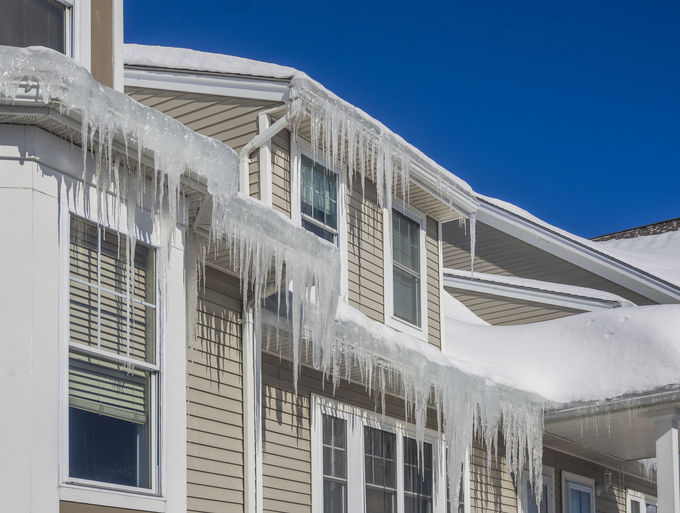
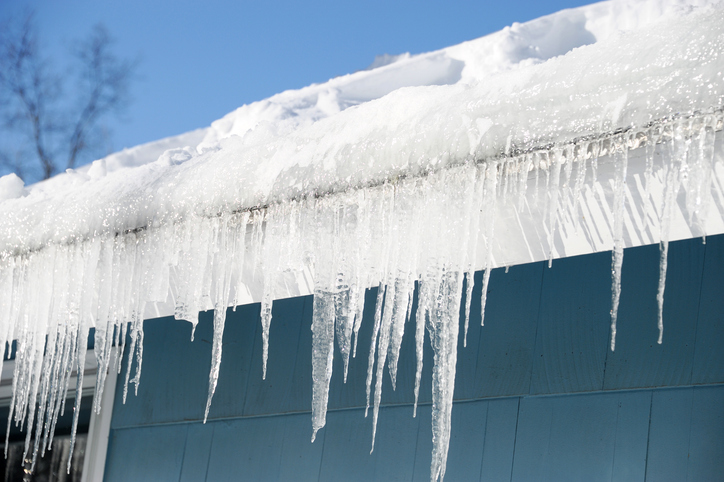
Ice dam water damage is a major winter issue. Ice dams form when heat escapes through the roof and melts snow. The melted water flows down until it reaches colder edges of the roof, where it refreezes. Over time, the ice builds up and blocks proper drainage.
Once an ice dam forms, water has nowhere to go. It can push under shingles and enter the home. This often leads to ceiling leaks from ice dams and damage to insulation.
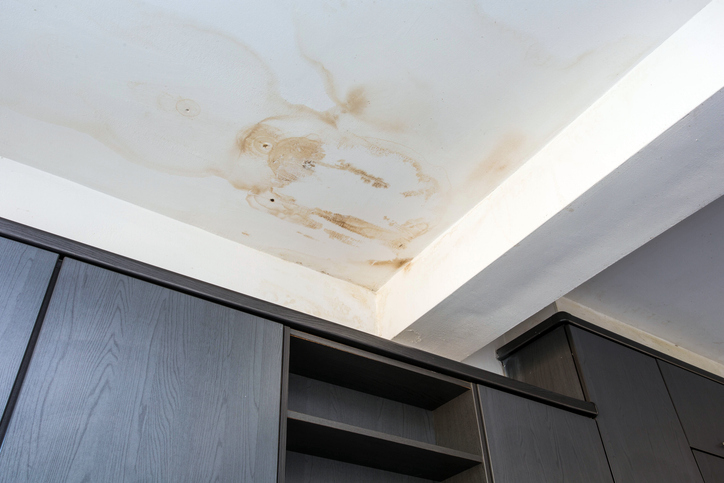
Ice dam damage is often hidden. Homeowners may not see a problem until stains appear on ceilings or water begins dripping near exterior walls. By that point, attic water damage may already be present.
First Steps to Take After Discovering Water Damage
If you discover winter home water damage, acting fast is critical. The first step is identifying the source of the water if it is safe to do so. Shut off the main water supply if frozen pipes or water heaters are involved.
Avoid electrical hazards. Water near outlets or electrical panels can be dangerous. Stay out of areas where ceilings appear swollen or sagging.
Emergency water damage situations benefit from quick professional response. Fast water damage cleanup helps limit how far moisture spreads through building materials.
Why Fast Water Removal Matters
Water removal is one of the most important steps after winter damage. Standing water and soaked materials can quickly lead to additional problems if not handled correctly.
Cold air slows drying, which allows moisture to remain trapped. This moisture intrusion often spreads behind walls and under floors, even if surfaces appear dry.
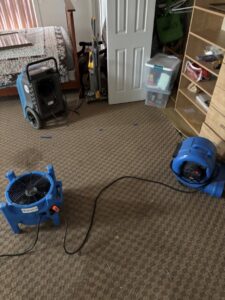
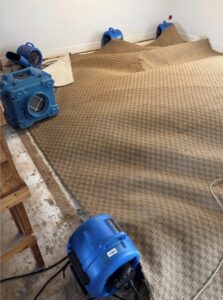
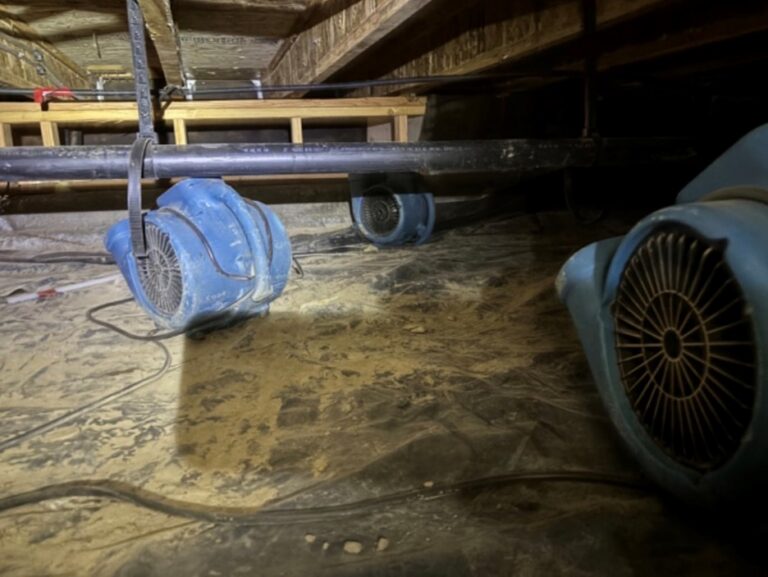
Structural drying services use professional equipment such as air movers to pull moisture out of hidden spaces. Without proper drying, moisture often leads to mold growth once temperatures rise.
Preventing Mold After Winter Water Damage
Mold risk after water damage is a major concern in winter. Moisture that sits too long creates the right conditions for mold to develop.
Prevent mold growth by addressing water issues early and drying the affected area thoroughly. Mold remediation may be needed if moisture is left untreated for extended periods.
Crawl space water damage is especially risky. Moisture trapped below the home often goes unnoticed and can impact air quality inside living spaces.
Roof, Ceiling, and Attic Problems
Roof leak winter damage is often tied to ice dams and snow buildup. Even small leaks can cause major problems over time.
Ceiling leaks from ice dams are common signs that water is entering the home from above. Attic water damage can soak insulation and spread moisture into framing and drywall.
Once water reaches these areas, damage can move quickly. Professional water damage restoration helps identify hidden moisture and prevent long-term issues.
Crawl Spaces and Exterior Walls
Snowmelt water damage often affects crawl spaces and exterior walls. Melting snow around the foundation can seep into small openings and cracks.
Crawl space water damage weakens structural components and increases humidity inside the home. This moisture intrusion often leads to mold risk if not addressed. Monitoring these areas during winter helps reduce the risk of long-term damage.
Why Professional Restoration Matters
Water damage restoration is about more than removing visible water. Professionals assess the full extent of damage and address hidden moisture.
Residential water damage often spreads beyond the original leak. Winter storm damage can involve multiple issues at once, including frozen pipes, roof leaks, and foundation seepage.
Emergency water damage response helps protect your home and limits the chance of filing a larger insurance claim later.
Insurance and Documentation
Water damage often involves an insurance claim. Acting quickly and documenting damage helps support the claim process.
This is why our team takes careful notes and keeps detailed records during the restoration process. We document everything from the first inspection to the final repairs. Clear records help avoid delays, reduce confusion, and support a smoother claim experience for homeowners.
Professional restoration teams understand how to document damage properly and work within insurance guidelines. This helps protect your home or business and speeds up recovery.
Preventing Future Winter Water Damage
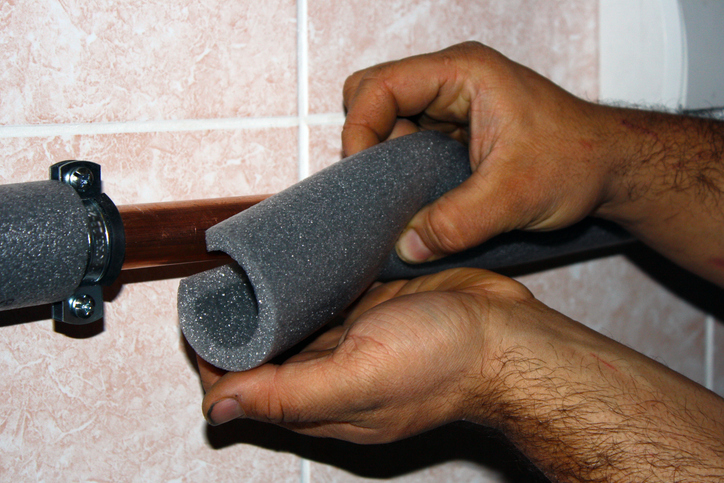
Prevent water damage by taking preventative measures before temperatures drop. Insulate exposed pipes, maintain consistent indoor heat, and check the plumbing system regularly.
Reducing the risk of ice dams includes improving attic insulation and ventilation. Clearing snow buildup when safe can also help prevent water intrusion.
Preventing water issues early helps protect your home and reduces the chance of mold remediation later.
Staying Prepared All Winter
Winter storm damage is unpredictable, but preparation makes a difference. Monitoring indoor temperatures, watching for water leaks, and responding quickly helps limit damage.
Winter water damage often affects more than one area of a home. Acting fast, removing water, and drying properly helps protect your property and prevent mold growth.
Taking the right steps early helps protect your home and keeps winter water problems from turning into long-term repairs.