Wildfires move fast. One minute you’re watching smoke on the horizon, and the next, your home in Bend, Sisters, or somewhere else across Central Oregon has taken a direct hit. The first 24 to 48 hours after a wildfire damages your structure are the most critical, and knowing what to do (and what to leave alone) can make a huge difference for your safety and your insurance claim. Our team at Central Oregon Disaster Restoration has been responding to fire damage restoration emergencies since 2006. This guide walks you through what comes next.
Your home just took a hit. We’re ready to help.
Central Oregon Disaster Restoration is available 24/7 and on-site within 60 minutes. Don’t wait to get professional eyes on the damage.
What to Do in the First Hours After Wildfire Damages Your Home
Before anything else, confirm you’re cleared to return. Local authorities may still have the area restricted even after the fire is out. Once you’re back, here’s where to start:
- Call your insurance company right away. Get the claim started and log every call with a date, time, and the name of whoever you spoke with. That paper trail matters more than most people realize.
- Call a licensed restoration contractor. A pro assesses what’s structurally safe, identifies hidden hazards, and gets your property secured. Their documentation also carries real weight with your insurer.
- Contact your utilities. Fire damage can compromise gas lines, electrical wiring, and water lines. Don’t flip anything on yourself. Have utility providers inspect before power or gas is restored.
What NOT to Touch, Move, or Clean Up Yourself
This is where homeowners accidentally make things worse, sometimes dangerously so. Fire damage isn’t just about what burned.
Soot and Ash
Wildfire ash and soot contain toxic compounds. According to OSHA’s wildfire cleanup guidelines, structural fire ash can contain heavy metals and, in older homes, asbestos fibers. Don’t sweep, blow, or vacuum soot without professional guidance and proper respiratory protection.
Charred Structural Materials
Burned wood, drywall, and insulation can look intact while being completely compromised underneath. Walking on damaged flooring before a structural assessment is genuinely dangerous. Let a professional determine what’s load-bearing and what isn’t.
Older Homes and Asbestos
If your home was built before the mid-1980s, fire damage may have disturbed asbestos-containing materials like ceiling tiles, insulation, or pipe wraps. Older homes in Madras, Prineville, and parts of Bend carry this risk. Disturbing those materials without proper containment and licensed asbestos abatement can create a much bigger problem than the fire itself. Get it tested before any cleanup.
Fire-Damaged Contents
Moving contents without documentation can hurt your insurance claim. Photograph everything in place first, then work with your restoration team on a proper packout so items can be inventoried and professionally cleaned where possible.
Wildfire Damage: Hazard Layers at a Glance
| Hazard | Risk | Action |
|---|---|---|
| Soot & ash | Toxic compounds | Don’t disturb; call a pro |
| Structural damage | Collapse risk | Professional assessment first |
| Asbestos (pre-1980 homes) | Airborne fibers if disturbed | Test before any cleanup |
| Compromised utilities | Gas leak, electrocution | Contact utility providers first |
| Damaged contents | Weakened insurance claim | Document in place before moving |
Why Emergency Board-Up Is One of the First Things That Needs to Happen
If the fire damaged your roof, windows, doors, or exterior walls, your property is now exposed. Central Oregon’s climate isn’t forgiving, even in summer. Overnight temperatures drop, and a compromised structure doesn’t need wind or rain adding to the problem.
Emergency board-up matters for several reasons:
- Prevents additional weather damage before your adjuster arrives
- Keeps the property secure from unauthorized entry
- Preserves the damage scene for insurance documentation
- Slows mold growth in areas where firefighting water was used
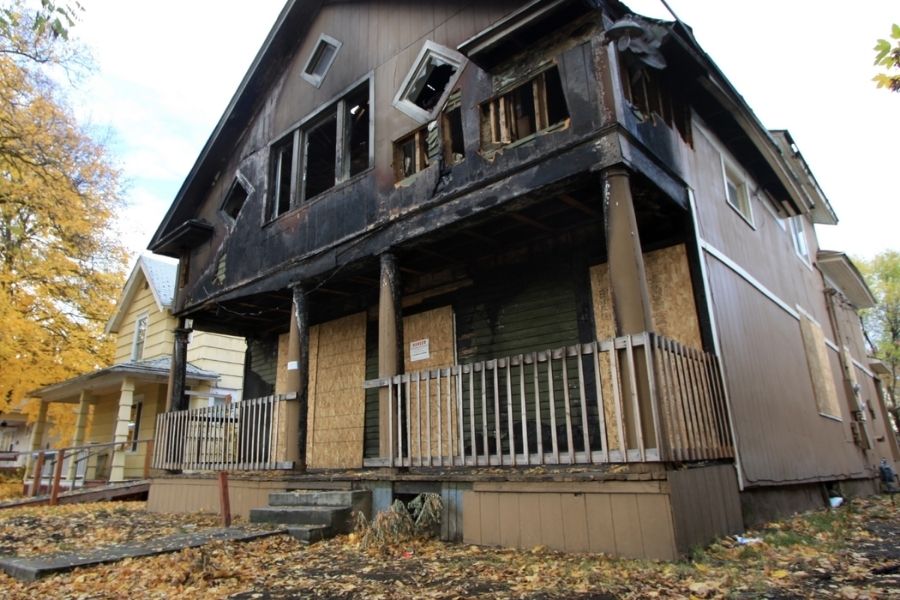
Central Oregon Disaster Restoration handles in-house emergency board-up as part of our fire response. We’re on-site within 60 minutes in Bend, Redmond, Sunriver, La Pine, Sisters, and surrounding areas.
Documenting Wildfire Damage for Your Insurance Claim
Walk every accessible space with your phone camera and record video in addition to photos. Don’t skip areas that look only mildly affected. Smoke and soot damage can be less visible but still costly.
Don’t throw anything away before your adjuster documents the loss. Even destroyed items have value in an insurance context. A licensed restoration contractor can provide a Xactimate-certified estimate, the same standard your insurer uses, which helps ensure the full scope of damage gets covered.
When Can Wildfire Damage Restoration Actually Begin?
Restoration can’t start until the property is structurally cleared and utility hazards are resolved. Depending on how widespread the damage is, that step can take hours to a few days.
Once it’s safe, mitigation comes first: removing damaged materials, drying out water from firefighting efforts, containing hazardous materials, and cleaning soot from salvageable surfaces. Rebuild follows mitigation. Our team at Central Oregon Disaster Restoration handles the full process in-house, with no subcontractors, from the first call to the final walkthrough.
Wildfire hit your Central Oregon home?
Learn more about our full fire damage restoration process, from emergency board-up through complete in-house rebuild.
Quick-Reference: Wildfire Damage Response Checklist
| Step | Action | Who |
|---|---|---|
| 1 | Wait for official re-entry clearance | Local authorities |
| 2 | Call your insurance company | You |
| 3 | Call a licensed restoration contractor | You |
| 4 | Document damage before touching anything | You + contractor |
| 5 | Emergency board-up and property securing | Restoration crew |
| 6 | Asbestos testing if pre-1980 home | Licensed contractor |
| 7 | Utility inspection and clearance | Utility providers |
| 8 | Mitigation, then full restoration and rebuild | Restoration crew |
Frequently Asked Questions
Can I stay in my home after wildfire damages part of the structure?
It depends on the extent of the damage. If structural elements, utilities, or roof sections are compromised, the property is generally not safe to occupy until a professional assessment clears it. Your local fire department or building official may also issue a re-occupancy restriction. Don’t assume the undamaged portion of the house is safe.
Does homeowners insurance cover wildfire structural damage?
Most standard homeowners insurance policies cover direct structural damage caused by wildfire. Coverage for personal contents, temporary housing, and smoke-related damage varies by policy. Contact your insurer immediately and document everything before cleanup begins. A Xactimate-certified restoration estimate helps ensure the full scope of damage is covered.
How soon can emergency board-up happen after a wildfire?
Once a property is cleared for access, emergency board-up can typically be completed the same day. Central Oregon Disaster Restoration responds within 60 minutes across the region, including Bend, Redmond, Sisters, Sunriver, and La Pine. Getting the structure secured quickly limits secondary damage from weather and prevents unauthorized entry.
My home was built in the 1970s. Do I need asbestos testing after a fire?
Yes, strongly recommended. Homes built before the mid-1980s commonly used asbestos-containing materials in insulation, ceiling tiles, floor adhesives, and pipe wraps. Fire and structural disturbance can release asbestos fibers. Testing must be completed by a licensed professional before any major cleanup or demolition. Central Oregon Disaster Restoration holds active Oregon asbestos licensing and can handle testing and abatement.